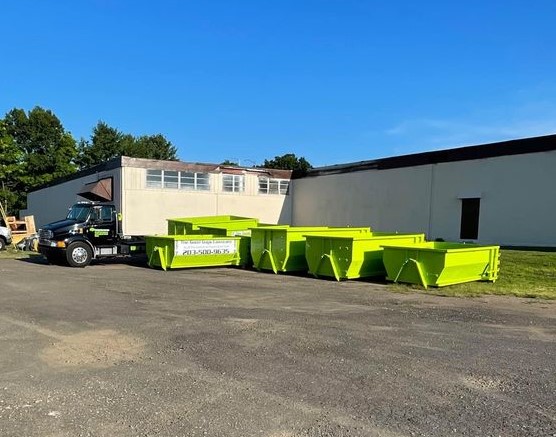
Tackling a major home project, renovation, or cleanup can be both exciting and challenging. Effectively managing your project requires careful planning for proper debris disposal. Neglecting to organize waste disposal can create a messy worksite, hindering productivity and safety. Understanding how to estimate the right dumpster size can save time, prevent stress, and keep your project organized from start to finish.
At The Good Guys Dumpster Rental LLC, our team guides clients to choose the right dumpster based on project needs. Our team assists in evaluating the expected volume of debris, the types of materials you are discarding, and the duration of your project to recommend the best dumpster for your needs. Whether you are doing a home cleanout, remodeling a kitchen, or tackling a construction project, we provide guidance that ensures a smooth and efficient process. Our mission is to provide simple, reliable, and safe dumpster rental solutions.
Assessing Your Project Scope
Before selecting a dumpster, assess the complete scope of your work. Consider every area of your home or worksite that will produce debris. Are you removing old flooring, furniture, or cabinets? Or does your project include demolition work? Evaluating the scope allows you to choose a dumpster that fits all debris and prevents last-minute problems.
Dividing your work into individual tasks makes it easier to estimate debris volume. For instance, calculate the waste produced by each room if multiple areas are being remodeled. This approach allows for more accurate planning and helps avoid the need for multiple dumpster rentals. Assessing the project thoroughly ensures that your workspace remains safe, organized, and free of obstacles that can slow progress.
Understanding Your Project Materials
Knowing the types of materials your project will generate is crucial for selecting the right dumpster. Furniture, appliances, and general household waste are common in cleanouts, while remodels may create drywall and wood debris. Construction work can produce heavier materials like concrete, metal, and roofing debris, which may require reinforced containers to handle the weight safely.
Recognizing material types also allows for safer and more organized disposal. Some materials, such as chemicals or electronics, must be handled separately from regular debris. Taking into account special handling prevents overfilling and ensures proper disposal. Awareness of material types helps utilize space efficiently and minimizes risk.
Estimating Volume Requirements
After determining materials, calculate the space each will occupy. Consider how much debris each task will generate and whether items can be compacted or disassembled. For example, dismantling furniture or breaking down large boards can create more space and reduce the overall volume. Properly estimating volume guarantees the container can hold everything and prevents multiple pickups.
We recommend creating a detailed list of items and estimating how much space they will occupy. Consider how items will be stacked to maximize space. Planning ahead ensures proper loading and prevents overstuffing the container. Correct volume planning ensures safety and smooth project flow.
Evaluating Your Project Timeline
How long your project lasts affects the container you choose. Extended projects often produce debris slowly, while short, intensive projects can create a lot of waste at once. Assessing the project duration ensures the container fits all your waste needs. Planning ahead helps prevent interruptions and keeps the workspace organized.
Aligning container drop-off and pickup with your project timeline is important. Arranging delivery before work starts and prompt pickup prevents clutter and keeps your project on track. Matching the dumpster rental to your project timeline keeps your team focused and minimizes delays. Well-planned scheduling promotes a seamless and productive project flow.
Project-Specific Dumpster Requirements
Certain projects require special attention when selecting a dumpster. Roofing projects or demolition work may involve heavy, sharp, or bulky materials that require reinforced containers. Gardening and landscaping projects may produce sizable amounts of organic debris needing extra space. Recognizing these specific needs allows you to choose a container suitable for your debris.
Considering unique project requirements ensures safety and workflow efficiency. Accounting for debris size, weight, and placement improves safety and efficiency. Our team provides advice and guidance to make sure that each dumpster meets the specific demands of your project. A project-specific approach ensures efficient and safe management of all waste.
How to Use Your Dumpster Effectively
Maximizing the efficiency of your dumpster rental can greatly improve your project’s workflow. Break down bulky items and stack them strategically to save space. Stack heavy debris first, followed by lighter items to optimize capacity. Avoid placing prohibited or hazardous items in the container to ensure compliance and safety.
We offer practical advice for loading and using your dumpster effectively. Correct placement and strategic stacking maximize space and efficiency. Applying these strategies can prevent the need for extra dumpsters and streamline disposal. Effective container use maintains a tidy workspace and supports safe project execution.
Planning for Multiple Projects
If you have several projects happening simultaneously, careful planning is necessary to manage debris from multiple sources. You may need individual dumpsters for different types of materials to avoid cross-contamination and maintain compliance. Advanced planning helps assign the appropriate container to each project and maintain order.
We provide support for managing several dumpsters across different projects. Planning the placement of each dumpster prevents confusion and keeps work areas clear. Proper planning across multiple projects reduces clutter and creates a safer environment for workers and residents. Thoughtful planning supports a smooth and organized work process.
Steps for Effective Dumpster Planning
Estimating the right dumpster size for your project is critical for maintaining an organized, safe, and efficient workspace. Evaluate the work scope, debris type, amount, and schedule before renting a dumpster. Focus on project-specific factors and smart loading strategies to optimize use. By following these steps and working with The Good Guys Dumpster Rental LLC, you can ensure your project runs smoothly with effective waste management more info from start to finish.